Ferrari's Italian soul started with Alfa Romeo
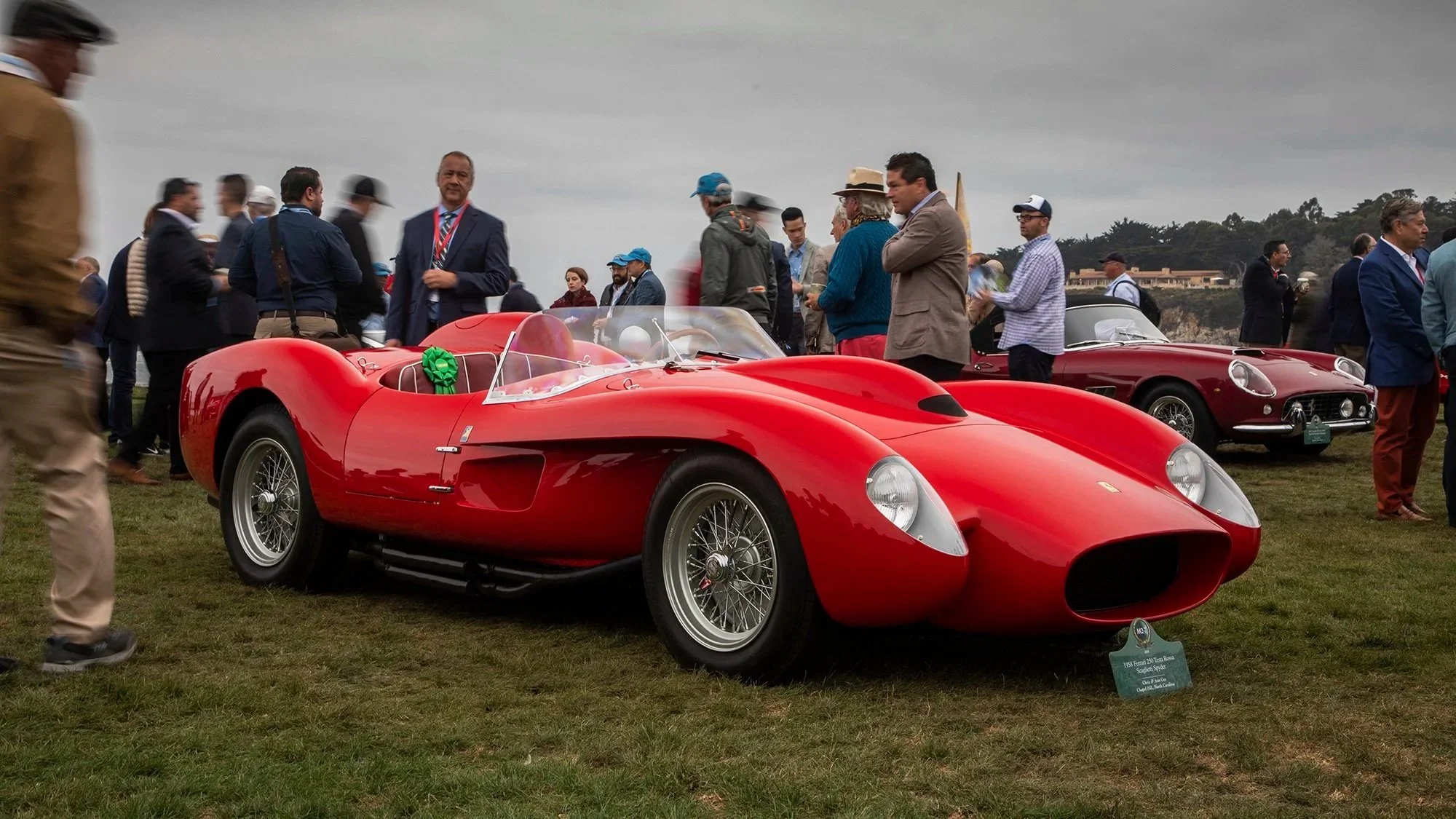
Ferrari is often treated as if it invented the Italian performance car.
The prancing horse has become so iconic that it's easy to forget there was a world of Italian racing and automotive passion before Ferrari ever built its first road car. Yet the more I think about what makes Ferrari special, the more I find myself looking back to another Italian marque.
Alfa Romeo.
Alfa Romeo did not create Ferrari. But many of the qualities that make Ferrari feel uniquely Italian today were already present in Alfa Romeo long before Ferrari became a household name.
And as the automotive industry enters a new era of electrification, technology and globalisation, I find myself wondering whether Ferrari risks losing some of the very qualities that made it so special in the first place.
Before Ferrari, there was Alfa Romeo
Enzo Ferrari's story is inseparable from Alfa Romeo.
Before founding Ferrari, he raced for Alfa Romeo. Later, he managed Alfa Romeo's racing activities through Scuderia Ferrari, which originally operated as Alfa Romeo's racing team. The relationship between the two companies is well documented, but what interests me is the philosophy rather than the corporate history.
In the early decades of the twentieth century, Alfa Romeo established itself as one of Italy's great performance marques. Its racing cars were fast, but they were also elegant. Even when standing still, they seemed to possess a sense of movement.
This combination of beauty and performance would become a defining characteristic of Italian automotive design.
And it is a philosophy that Ferrari would later elevate to an art form.
More than just fast
When people discuss performance cars, the conversation often revolves around numbers.
Horsepower. Top speed. Lap times. Acceleration.
Those things matter, of course. Performance is part of the appeal.
But the greatest Italian cars have always offered something more difficult to measure.
Emotion.
The best Italian designs communicate speed. Of course they do. But they also communicate drama. They are designed to make you feel something before you've even turned the key.
Look at an Alfa Romeo 33 Stradale. Look at a Ferrari Dino. Look at countless Italian sports cars from the 1960s and 1970s.
They are not identical. They were created by different designers and different companies.
Yet they often share a common spirit.
Long hoods. Compact cabins. Muscular rear haunches. Curves that seem sculpted rather than manufactured.
These cars were designed to be admired. In many ways, they feel closer to works of art than industrial products.
Why Ferrari became the ultimate expression of the Italian sports car
If Alfa Romeo helped establish the philosophy, Ferrari perfected it.
Over the decades, Ferrari combined engineering excellence with some of the most beautiful automotive design ever committed to metal. The company became synonymous with aspiration, performance and passion.
Crucially, Ferrari rarely felt as though it was chasing trends.
A Ferrari looked like a Ferrari.
Whether you were looking at a 250 GT, an F40, a 550 Maranello or a 458 Italia, there was a clear sense of identity. The details evolved, but the emotional intent remained remarkably consistent.
The cars felt dramatic. They felt theatrical. They felt unmistakably Italian. That identity became one of Ferrari's greatest strengths.
The challenge facing Ferrari today
The automotive world is changing.
Manufacturers face increasingly strict regulations. Aerodynamic efficiency has become more important than ever. Digital experiences now compete for attention alongside mechanical ones. Electric powertrains are reshaping how performance cars are engineered and packaged.
None of these developments are inherently negative. Many of them are necessary. Some are genuinely exciting.
But they do create a challenge.
How do you preserve a brand's emotional identity when the forces shaping modern vehicles are increasingly technical, regulatory and global?
It's a question every manufacturer must answer.
For Ferrari, the stakes feel particularly high. Because Ferrari has never simply sold performance.
It has sold emotion.
Why the Ferrari Luce made me think about this
Recently, Ferrari unveiled the Luce concept.
As with any new design, opinions have been divided. Some people love it. Others don't.
My reaction was curiosity, confusion, and disappointment.
The Luce made me stop and ask a simple question. If you removed the badges, would this design still feel unmistakably Italian?
Would it still carry the same emotional weight as the Ferraris that came before it?
To me the answer is no.
One could argue that the Luce feels like a glimpse into Ferrari's future. A future shaped by new technologies, new customer expectations and new design constraints.
But it also highlights the challenge facing the brand. How do you move forward without leaving part of your identity behind?
Ferrari's most valuable asset
When people talk about Ferrari's strengths, they often mention performance, heritage or exclusivity.
All of those things matter. But I would argue that Ferrari's most valuable asset is something less tangible. Its ability to make people feel something. The sense that a Ferrari is more than the sum of its engineering specifications. The sense that it was created by people who understand that cars can be emotional objects.
That philosophy emerged from a rich tradition of Italian automotive design that stretches back long before Ferrari became the global icon it is today.
A tradition that Alfa Romeo helped define.
Whether Ferrari can preserve that spirit in the decades ahead remains to be seen. But if it can, the company won't simply continue building fast cars. It will continue building cars that make people dream.
And that's what made Ferrari special in the first place.