

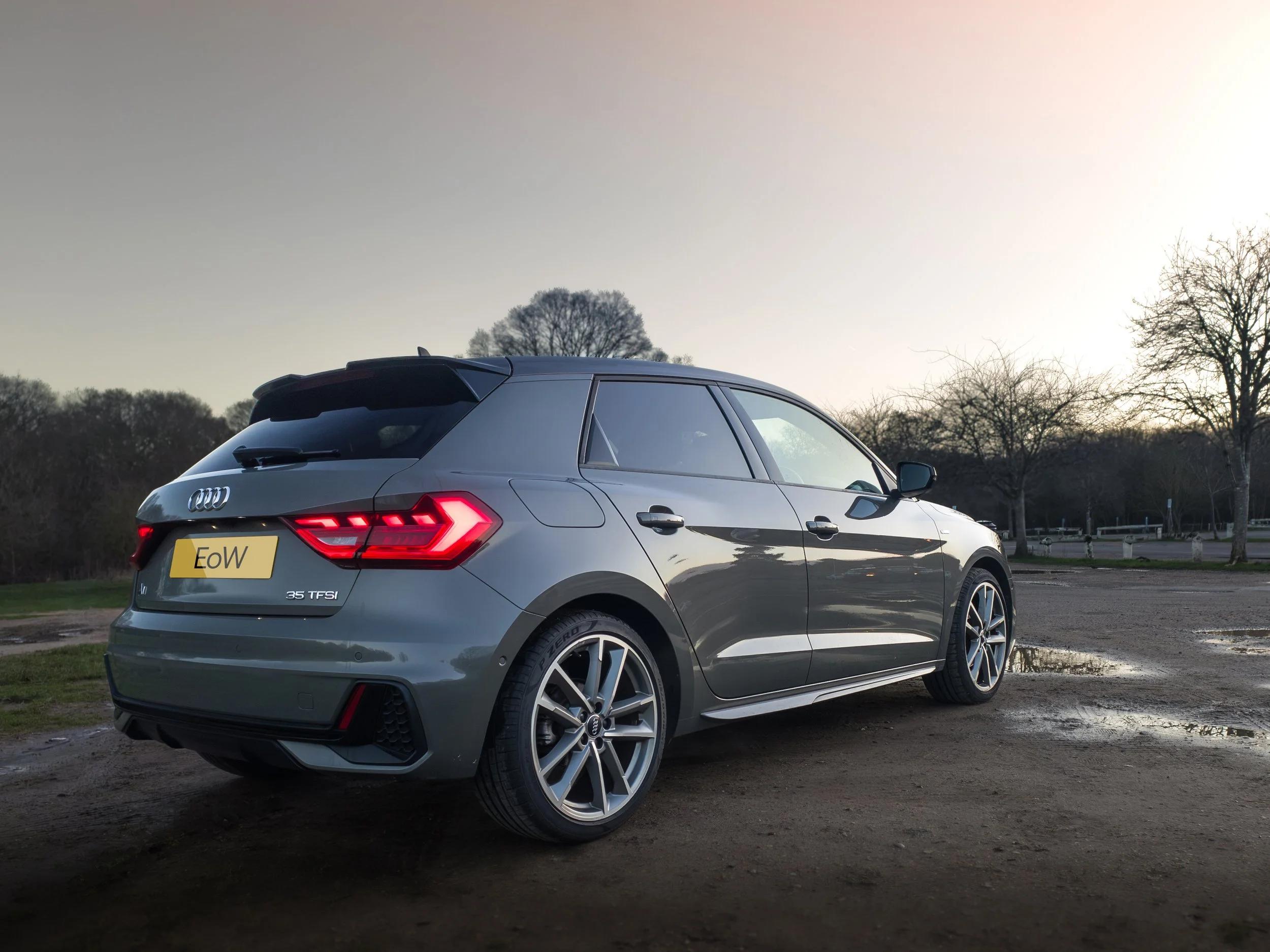
Small Audi done properly
February 2026
Living with an Audi A1 35TFSI Vorsprung in London
Small cars are rarely written about with much affection once the honeymoon period is over. They tend to be reviewed, categorised, compared, and then forgotten.
Moving against the flow, I’ve written a long-term, subjective account of living with my Audi A1 35TFSI Vorsprung in London. This is a reflection shaped by five years of real ownership, daily use, compromise, indulgence, and familiarity. It’s written from the perspective of someone who chose the car carefully, paid for it themselves, and still lives with the consequences of that decision.
The A1 occupies an interesting space in Audi’s line-up. It’s the smallest, most accessible model, yet when specified properly, it promises a genuine Audi experience in a compact, city-friendly package. That promise is what drew me in, and what I’ve been quietly testing ever since. If you’re interested in how a car actually lives with someone over time, you’re in the right place.
The right choice for me
In late 2020, my wife and I decided we needed a car. I wasn’t starting from a neutral position. I’d previously owned an Audi A3 1.8T and absolutely loved it. That experience had already bought me into Audi’s design language and brand story, so the search was instantly narrowed down to one manufacturer.
The original plan was simple: buy new, spec it exactly how I wanted, and enjoy the luxury of being the first owner.
I spent far too much time on the Audi UK website convincing myself that every option was sensible rather than indulgent.
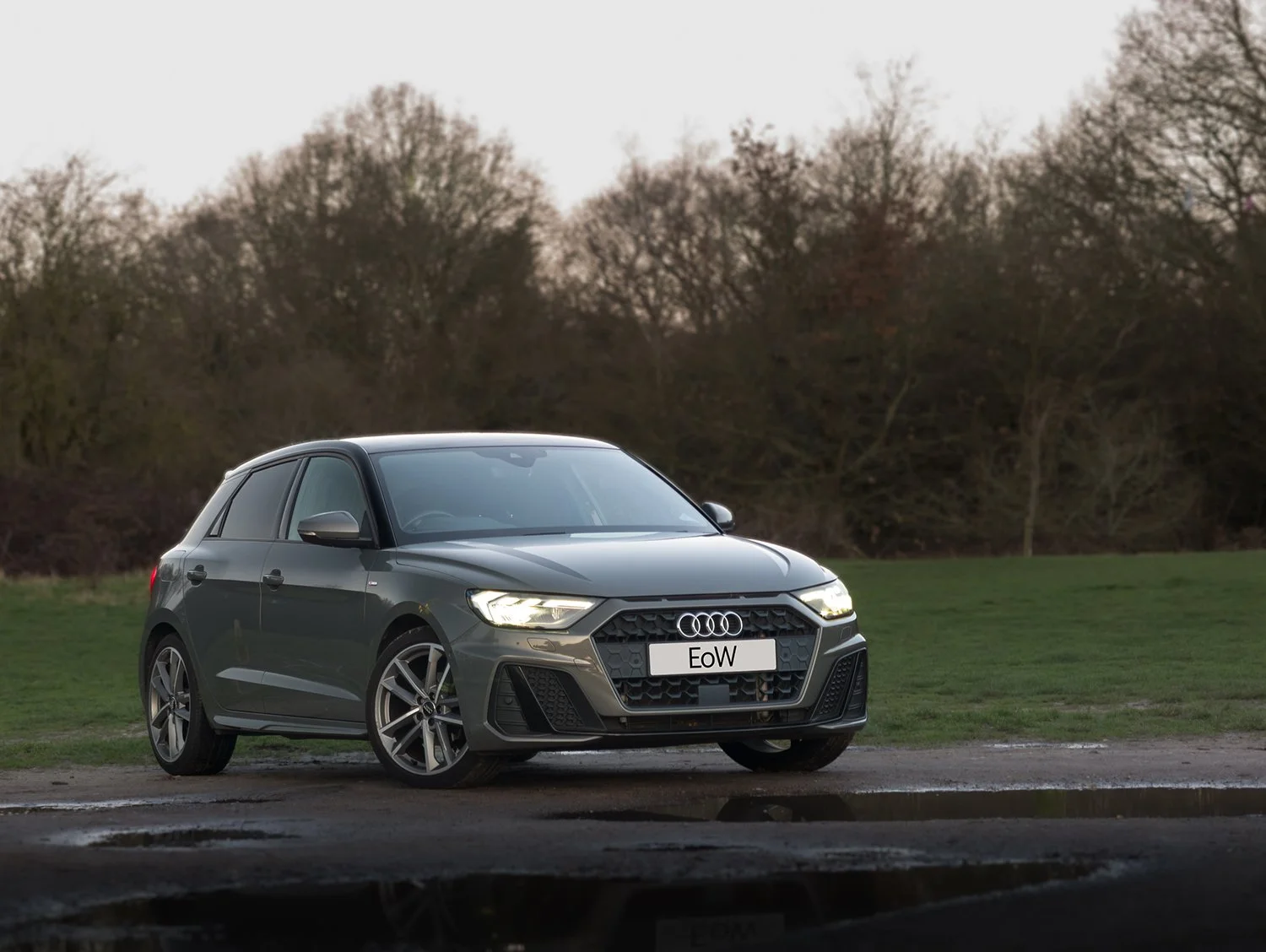
“A baby A3, essentially”
My first instinct was the new-shape A3, but this wasn’t just my decision. My wife was going to drive the car too, and at that point she wasn’t fully confident driving in the UK. Narrow London roads and tight parking spaces meant the car needed to be easy to steer, easy to park, and unintimidating. That pushed me towards something smaller.
The new-shape A1 turned out to be the perfect compromise. It was a big departure from the old, slightly rounded design, feeling sharper, more aggressive, and visually closer to the A3. A baby A3, essentially. I settled on the 150hp 35TFSI, wanting enough performance without sacrificing comfort or tech. The more powerful 40TFSI briefly tempted me, but the inability to spec adaptive cruise control — for some unknown reason — ruled it out immediately. Comfort and ease of driving mattered more than outright speed.
By the time I’d finished configuring the car, I’d ticked almost every box. The total came to just over £32,000, which is objectively a lot of money for an A1. Reality then stepped in. Global semiconductor shortages and Covid delays meant a six-to-eight-month wait for a new build, so I pivoted to Autotrader.
Almost immediately, I found an exact match. A Chronos Grey 35TFSI Vorsprung with a black contrast roof, every option ticked, 1,000 dealer-only miles on the clock, available now at Wimbledon Audi. That small mileage dropped the price to just over £29,000. Still expensive, but justifiable.
I bought it on HP finance, collected it a couple of days later, and the first drive home confirmed I’d made the right call. Five years on, I still stand by that decision.
Small car, serious design
The exterior design is where this generation of A1 really won me over. Compared to the pre-2018 model, this version is a clear departure. It’s sharper, more confident, and far less like a noddy car or a posh Nissan Micra. Where the old A1 felt soft and slightly feminine, this one feels deliberate. Aggressive, even.
Audi’s wider design language is very present here, particularly in the way the car echoes the A3 from certain angles. The proportions are tighter, but the stance feels purposeful. One of my favourite details is the set of three flat slits in the bonnet, a subtle nod to the Sport Quattro from the mid-1980s. It’s the kind of design reference that most people will never notice, but it adds character for those who do.
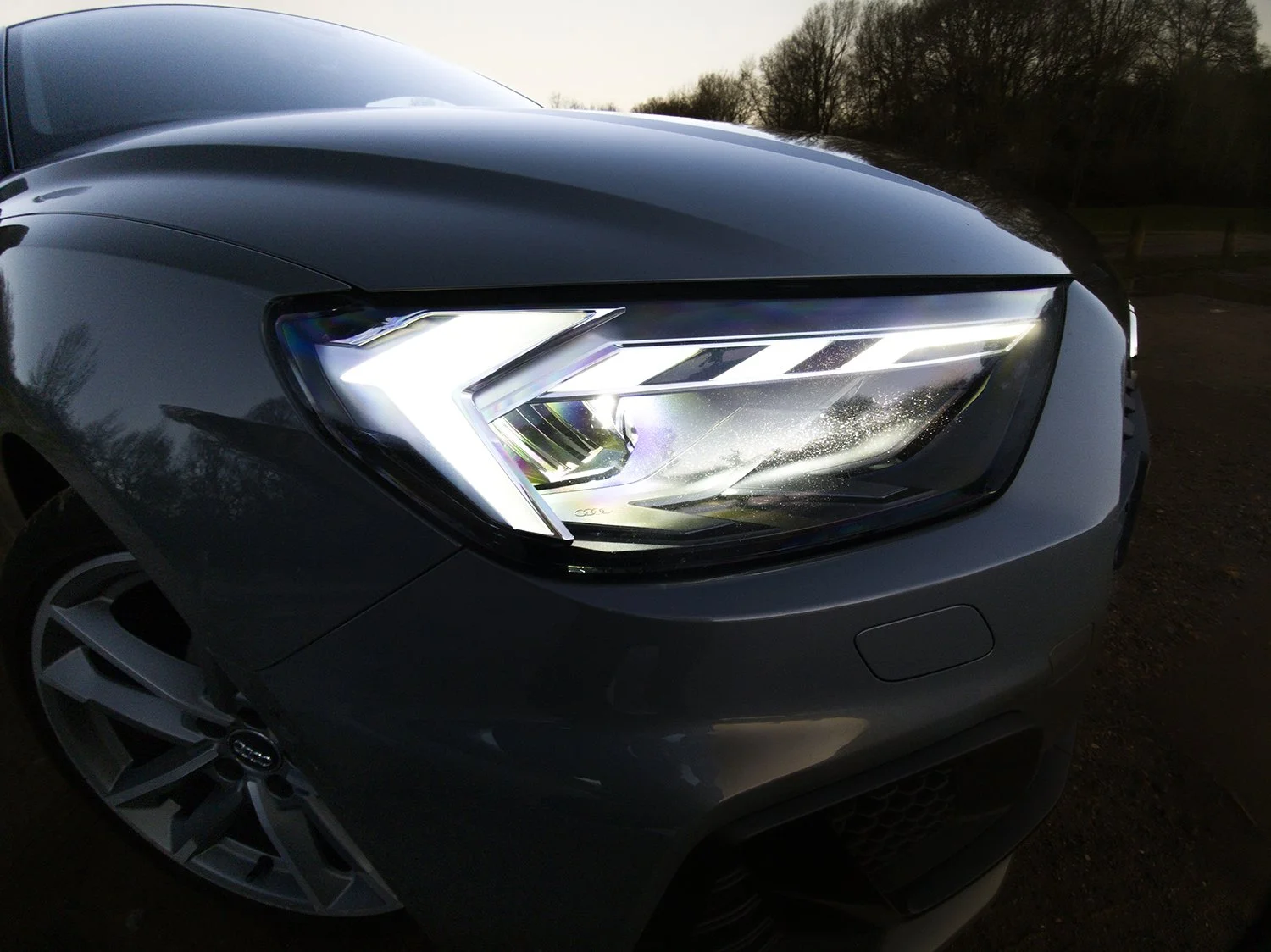
The Vorsprung trim brings with it sportier front and rear bumpers, sharper intake designs, side skirts, and a more pronounced boot-lid spoiler. These elements are shared with S line models and above, and for me they make a noticeable difference. Whenever I see a lower-spec A1 on the road, the lack of these details is immediately obvious. The car just doesn’t sit the same way without them.
Then there’s the contrast roof. It’s a familiar design trick, but it works exceptionally well here. The black roof visually lowers the car and gives it a more planted, poised look. With the rest of the body in Chronos Grey, the effect is especially strong. A1s in the same colour without the black roof look oddly flat by comparison. The contrast also works beautifully on brighter colours like Progressive Red, giving the A1 a much more dynamic presence.
Another design element I really enjoy is the pair of strong contour lines running across the doors. They cinch the car in at the waist, much like a well-cut coat, adding both elegance and aggression at the same time. It’s a small detail, but it adds to the sense that this is a properly designed car rather than a generic city runabout.
One thing I’m glad Audi didn’t do on my A1 is black out the badges. I’ve never been a fan. On a small car, it feels out of place and slightly try-hard. The chrome Audi rings front and rear add a quiet elegance that suits the brand far better.
Finally, the 18-inch diamond-cut Audi Sport alloys complete the look. They fill the arches nicely, give the car a lowered appearance, and add just the right amount of visual drama. For a small car, it looks remarkably grown-up.
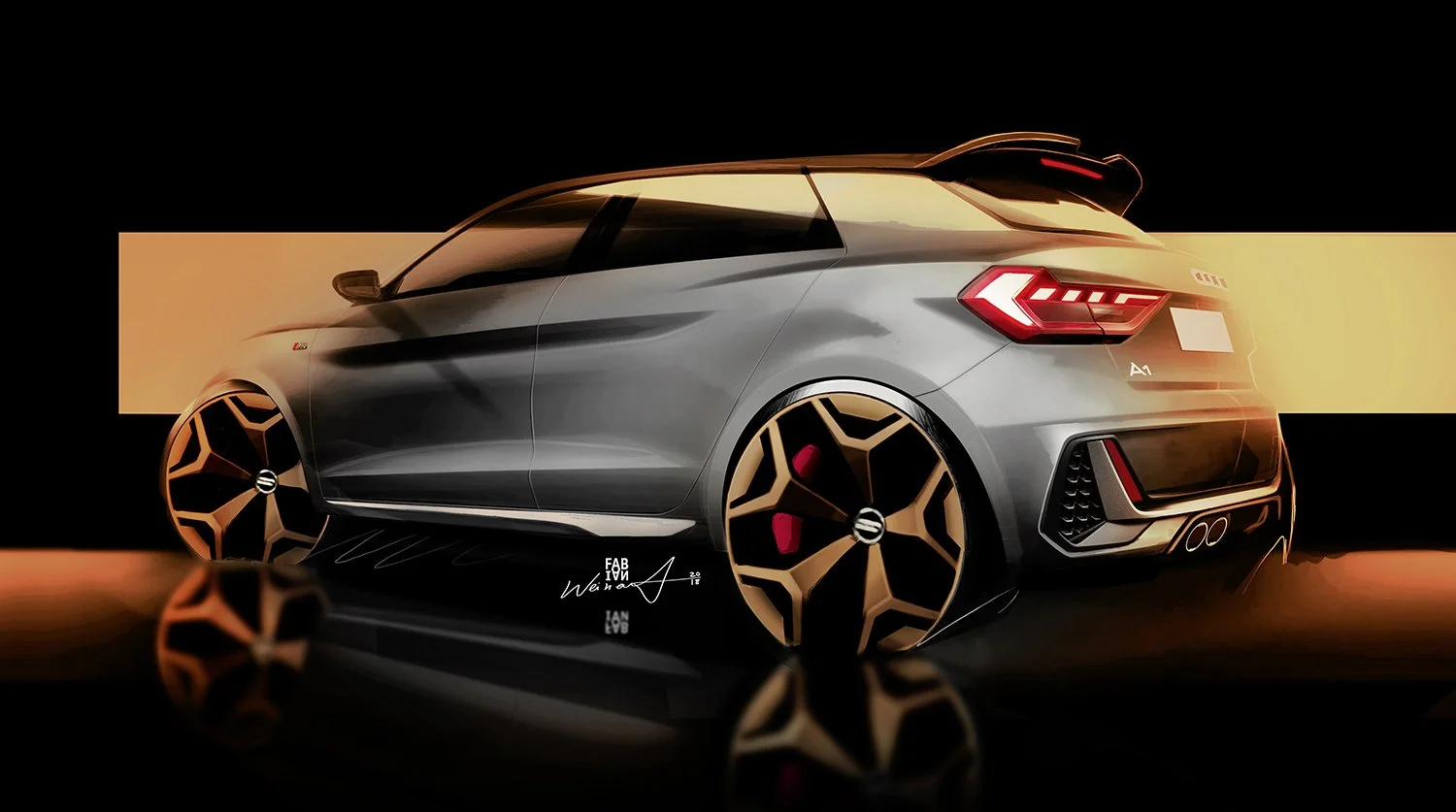
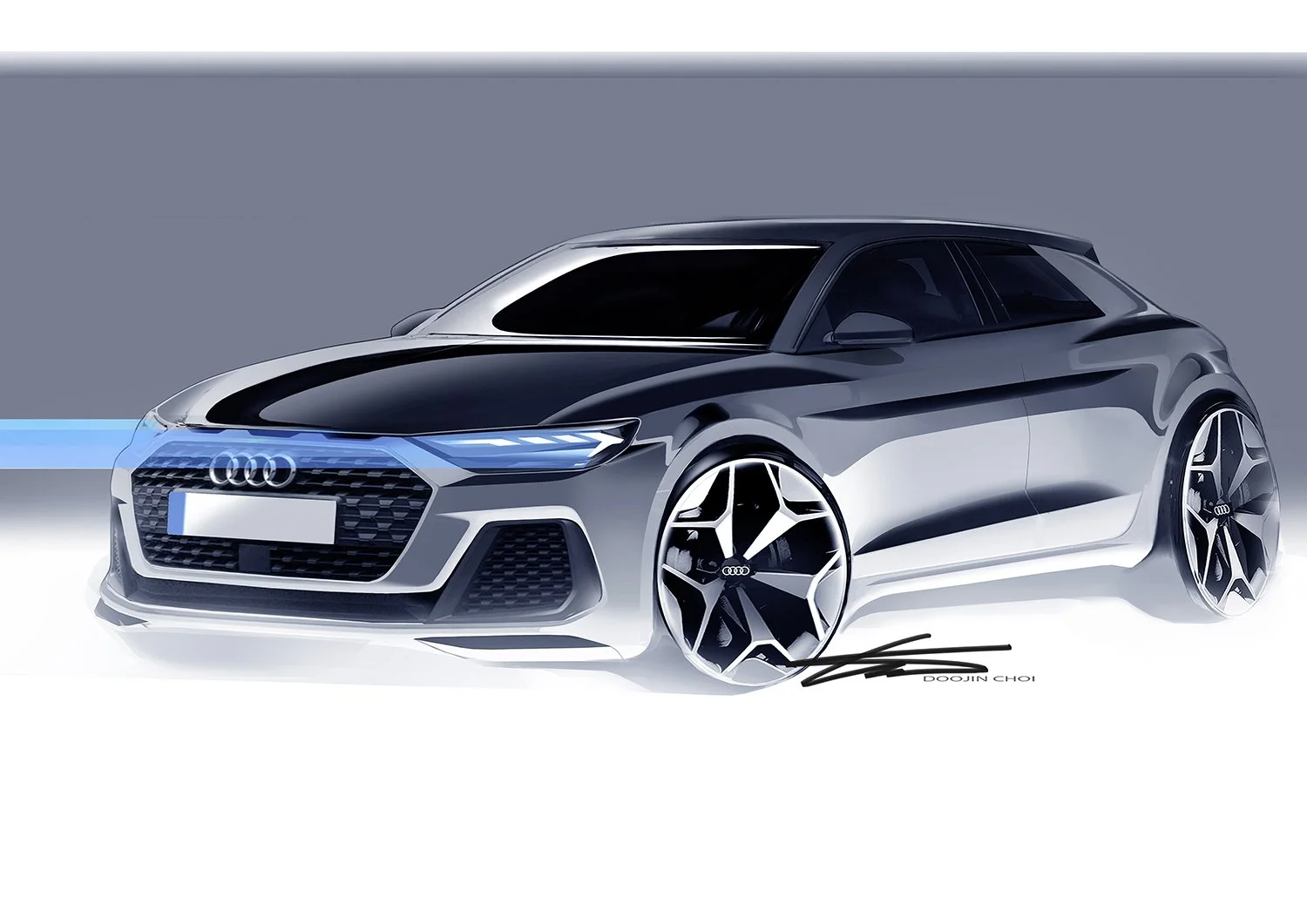
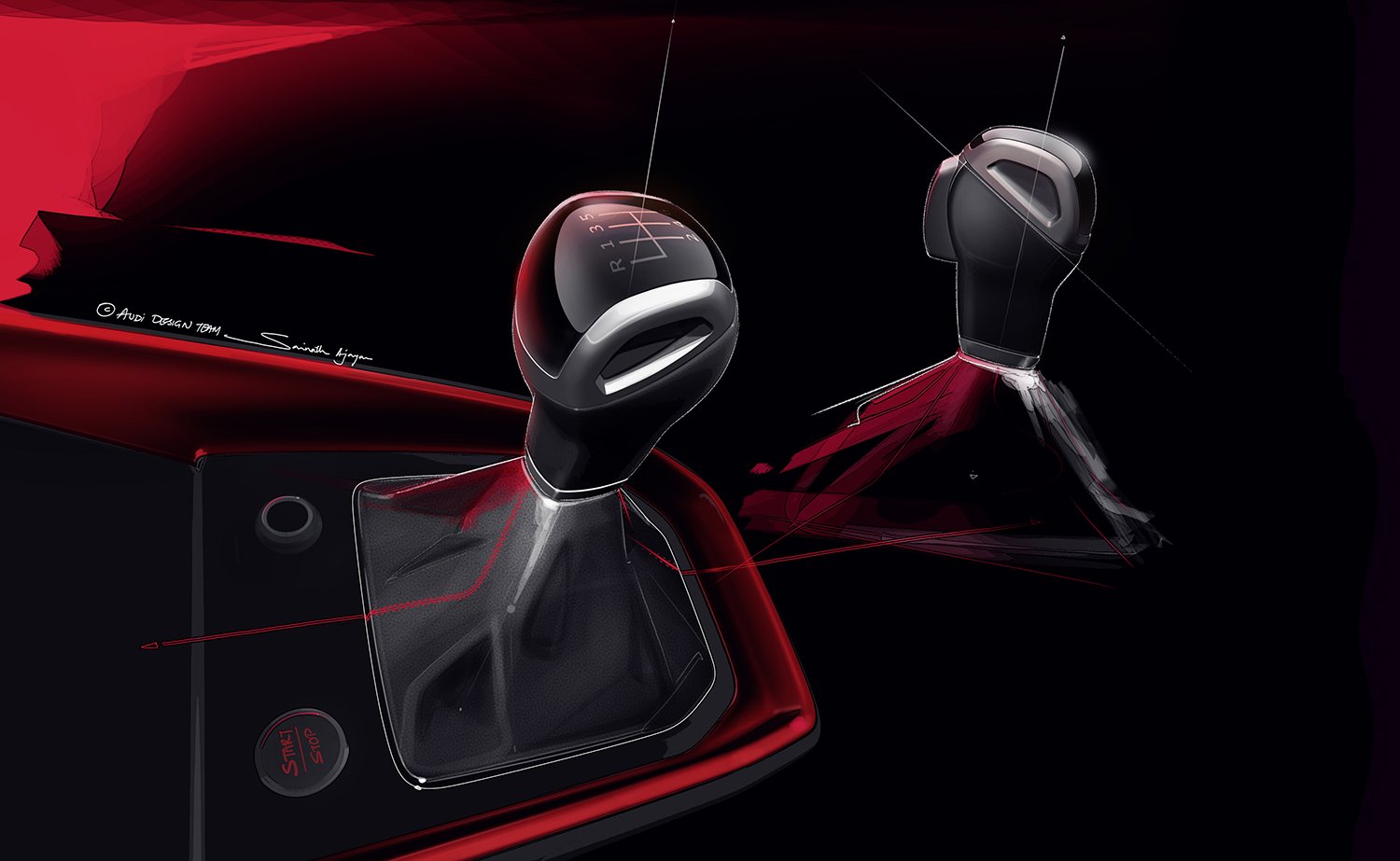
Original design sketches courtesy of Audi MediaCenter
The interior punches above its weight
As much as I enjoy looking at the car from the outside, it’s the interior that stood out once I spent time with the A1. This is where it starts feeling like a scaled-down Audi in the best possible way.
Let’s start with the upholstery. The Vorsprung trim came with grey leatherette and a version of Alcantara called Dinamica, often used by Audi, as well as Mercedes and BMW. The leatherette in particular is excellent. It looks, feels, and even smells close enough to real leather that I had to triple-check the materials while writing this. It’s easily the best imitation leather I’ve experienced in a car at this level.
Up front, comfort is genuinely impressive. The seats offer a wide range of adjustment — all manual though — accommodating both my 6ft 1 frame as well as my wife’s much shorter stature. I drop the seat all the way down, while she raises it almost to the top — so much that I can’t even get back into the car if she forgets to lower it afterwards. Forward and back adjustment is generous too, and when combined with the optional centre armrest, long journeys feel closer to an A3 than you’d expect from an A1.
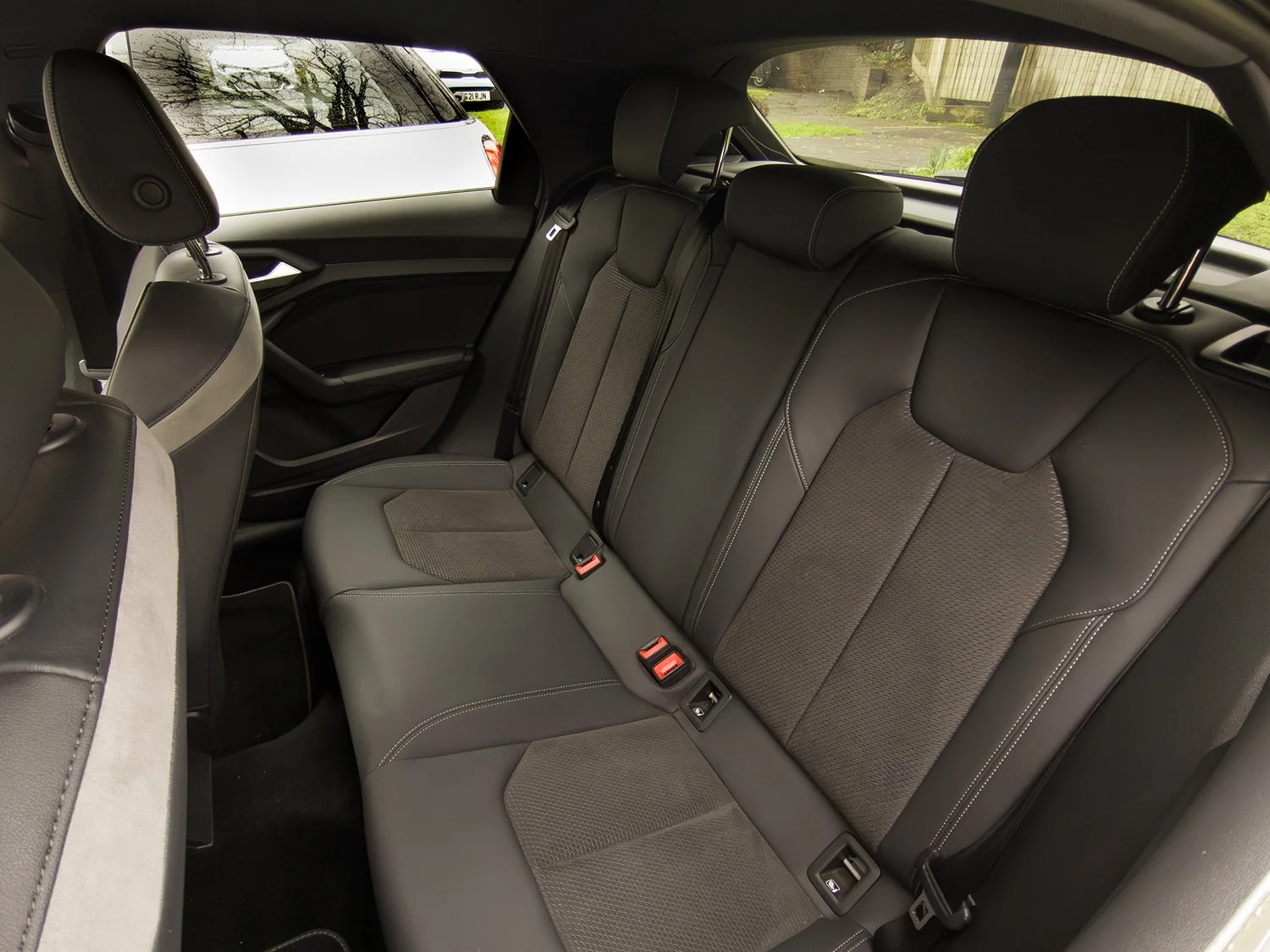
That comfort does come at a cost in the rear. Push the front seats back and rear legroom quickly disappears. While the rear bench is finished in the same high-quality materials, it’s undeniably cramped, especially behind the driver. In practice, most rear passengers don’t seem to mind, often commenting on how luxurious it feels, but taller adults won’t thank you. This is very much a front-focused cabin.
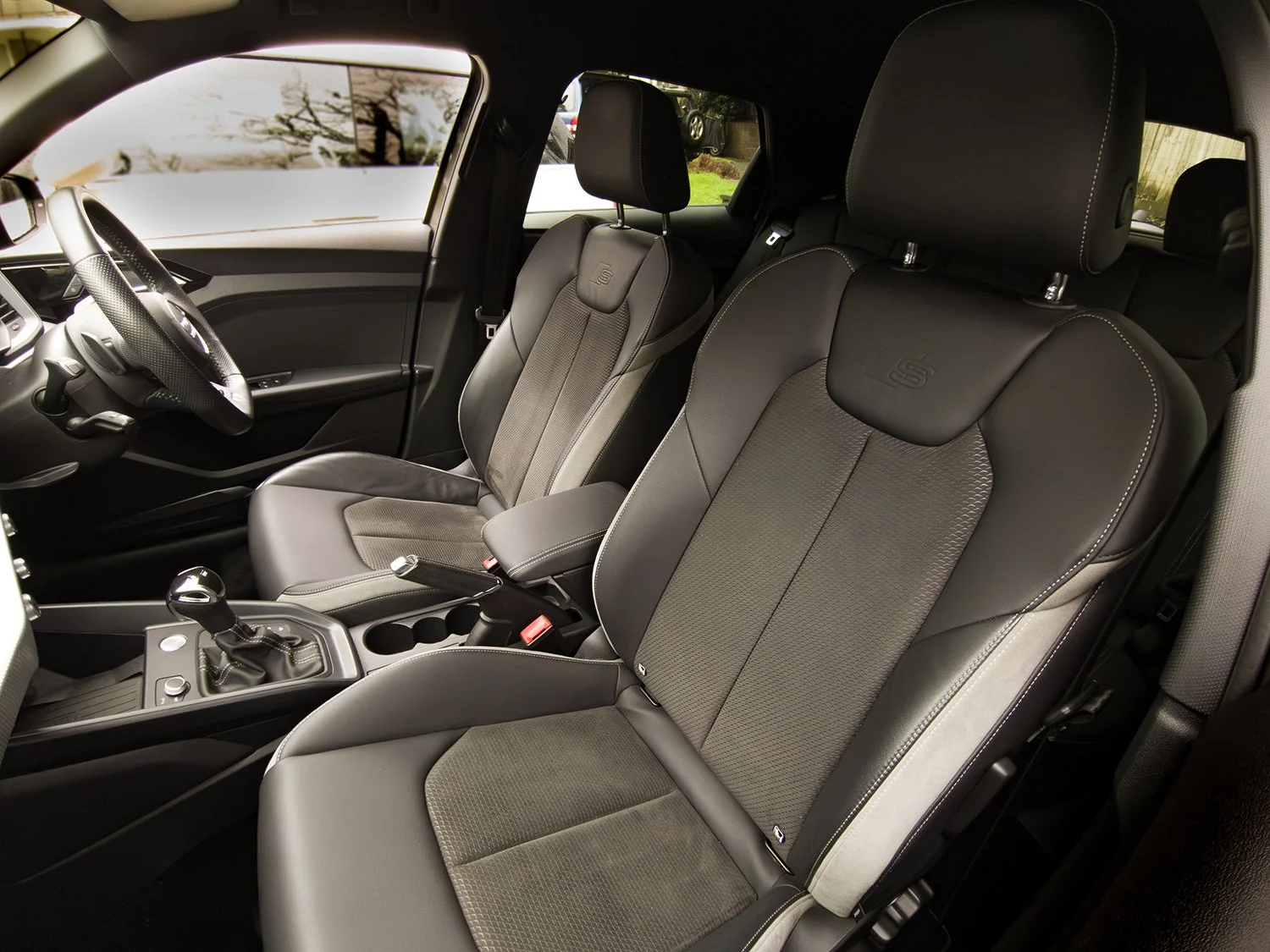
“Up front, comfort is genuinely impressive”
ISOFIX points are fitted to the rear seats and the front passenger seat, which is great in theory, but the reality of fitting a bulky rear-facing baby seat exposes the limits of the space. With our two-month-old daughter’s seat installed, the front passenger seat has to move noticeably forward. The ISOFIX behind the driver is effectively unusable with a bulky rear-facing seat, only suitable for toddler seats and upwards. It’s a reminder that this is still a compact car.
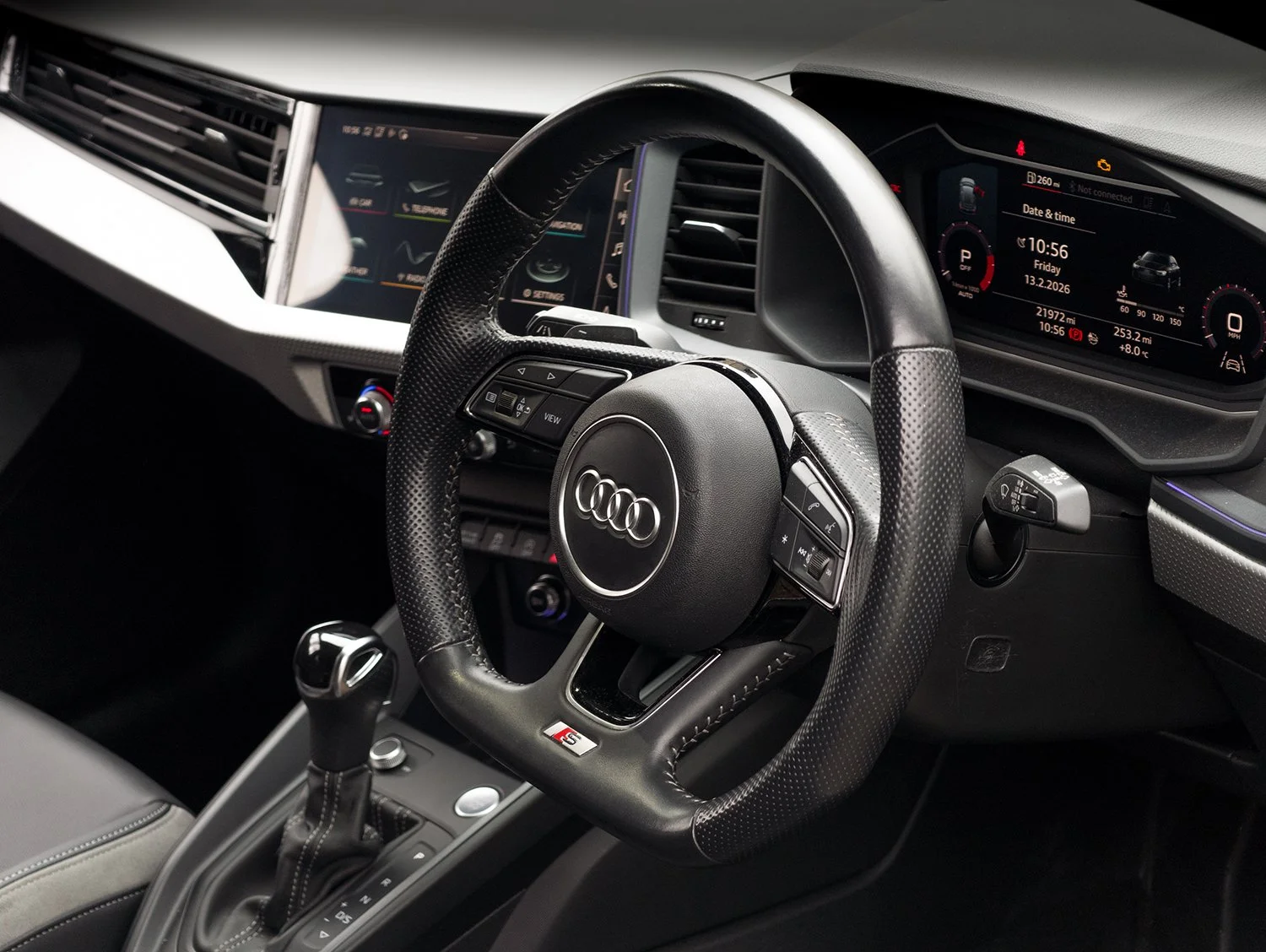
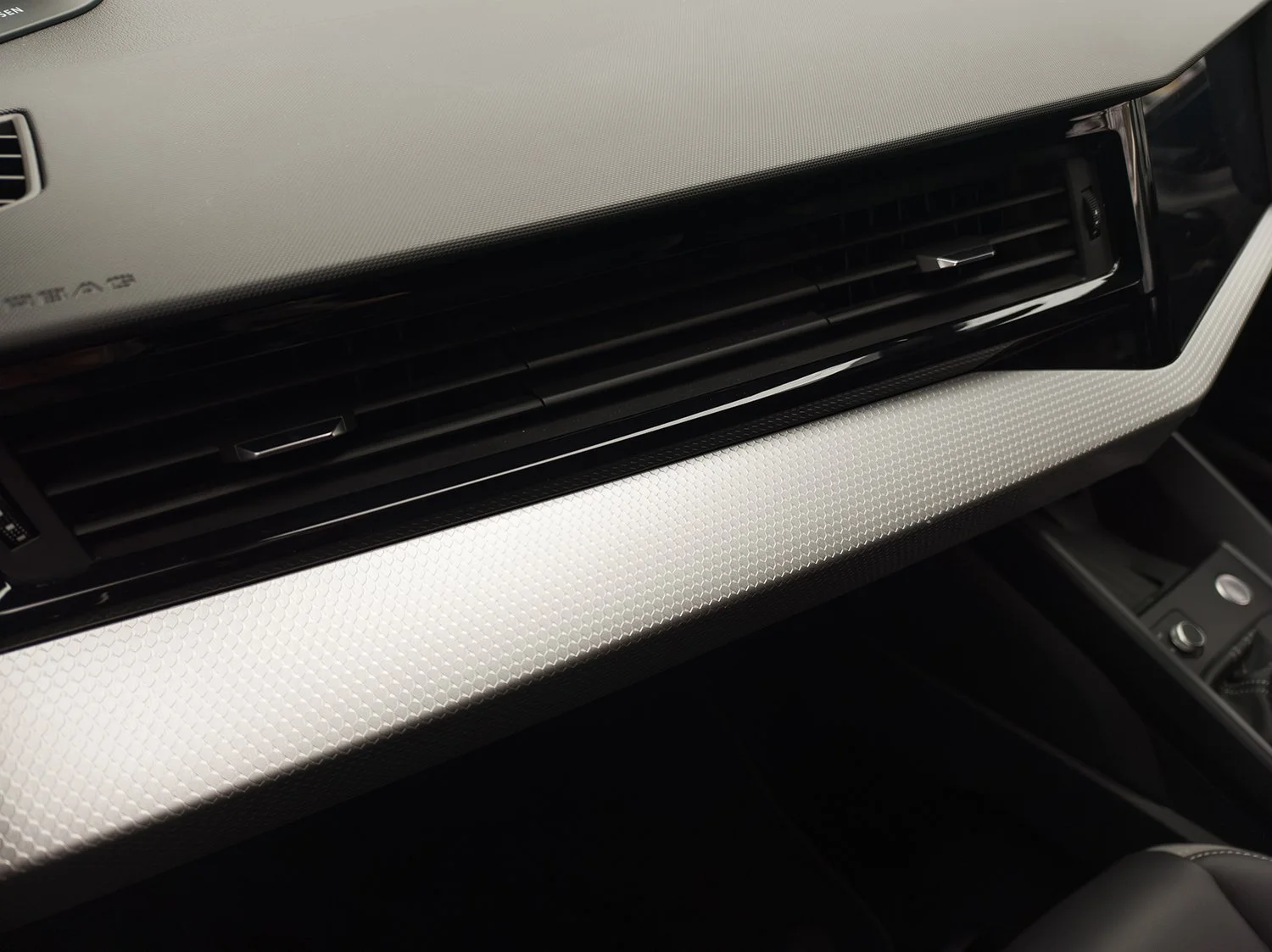
Elsewhere, the cabin finish is excellent. Piano black trim appears in places, which inevitably attracts fingerprints and micro-scratches, but adds a sense of gloss and depth. The dashboard is finished in soft-touch materials, paired with textured silver trim that looks futuristic fish-scales. Even the gear selector feels solid and well considered, with sharp contours that still sit comfortably in the hand.
The flat-bottomed S line steering wheel is another highlight. Leather-clad, perfectly sized, and fitted with well-positioned buttons, it allows you to control most functions without ever taking your hands off the wheel.
Overall, aside from rear legroom and a few scratch-prone plastics, the interior punches well above its weight. It feels genuinely premium, not just for the class, but full stop.
Technology that earns its place
I’m unapologetically a tech geek, and I place far more value on in-car technology than most people probably would. Thankfully, this particular spec A1 largely delivers, especially when you consider its size and position in the range.
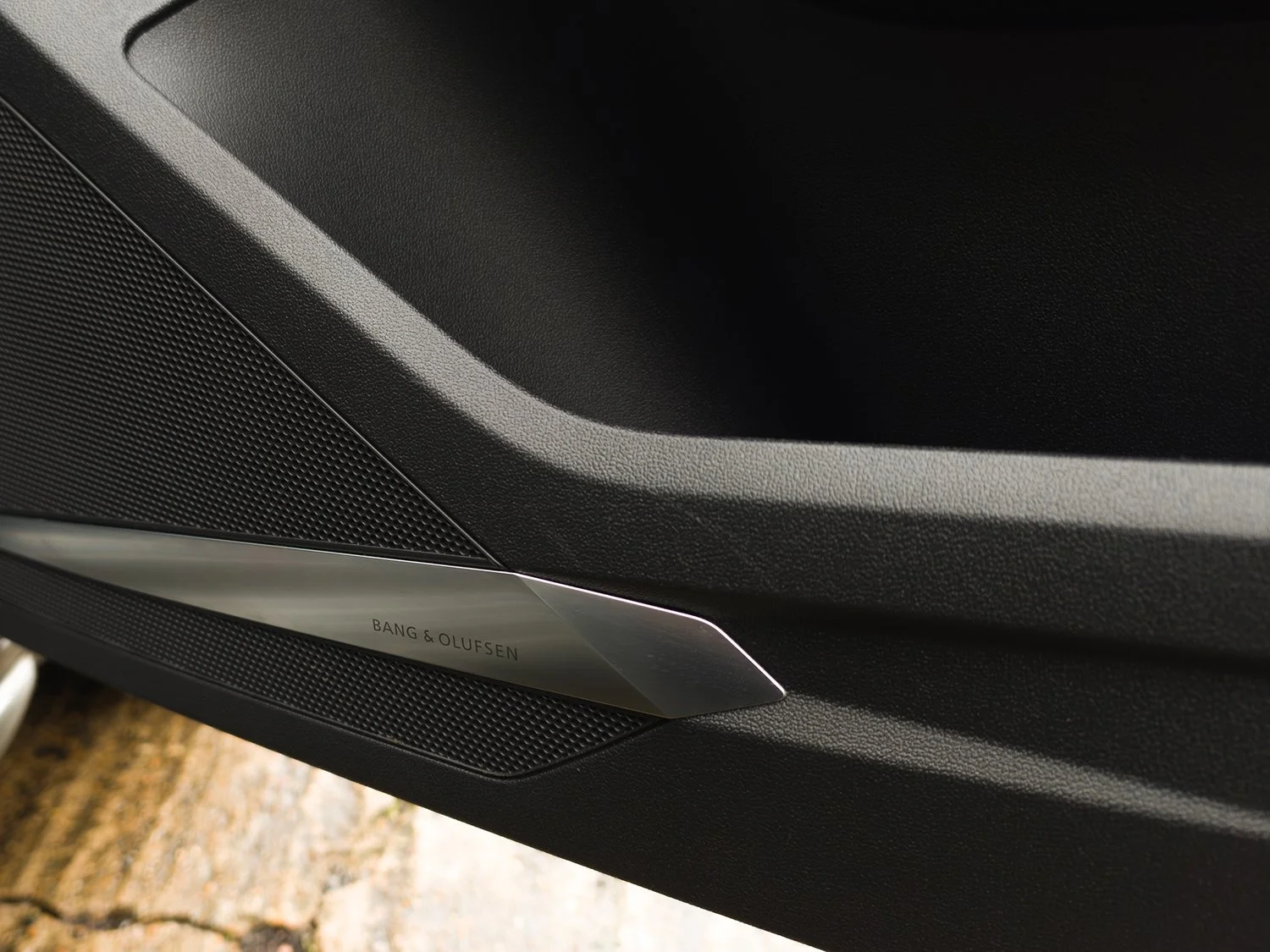
The obvious place to start is the Bang and Olufsen sound system. This is no longer available on newer A1s, with Audi switching to Sonos instead, which makes me even happier that this car has it. It strikes a near-perfect balance between volume and refinement. The speaker grilles and B&O branding add a sense of luxury, while the subwoofer sits neatly in the spare wheel well without stealing usable space. This is a far cry from the boot-filling subwoofers of my youth. The bass here is controlled and mature, delivering weight without nausea. Rear passengers are treated properly too, which is often overlooked in this class.
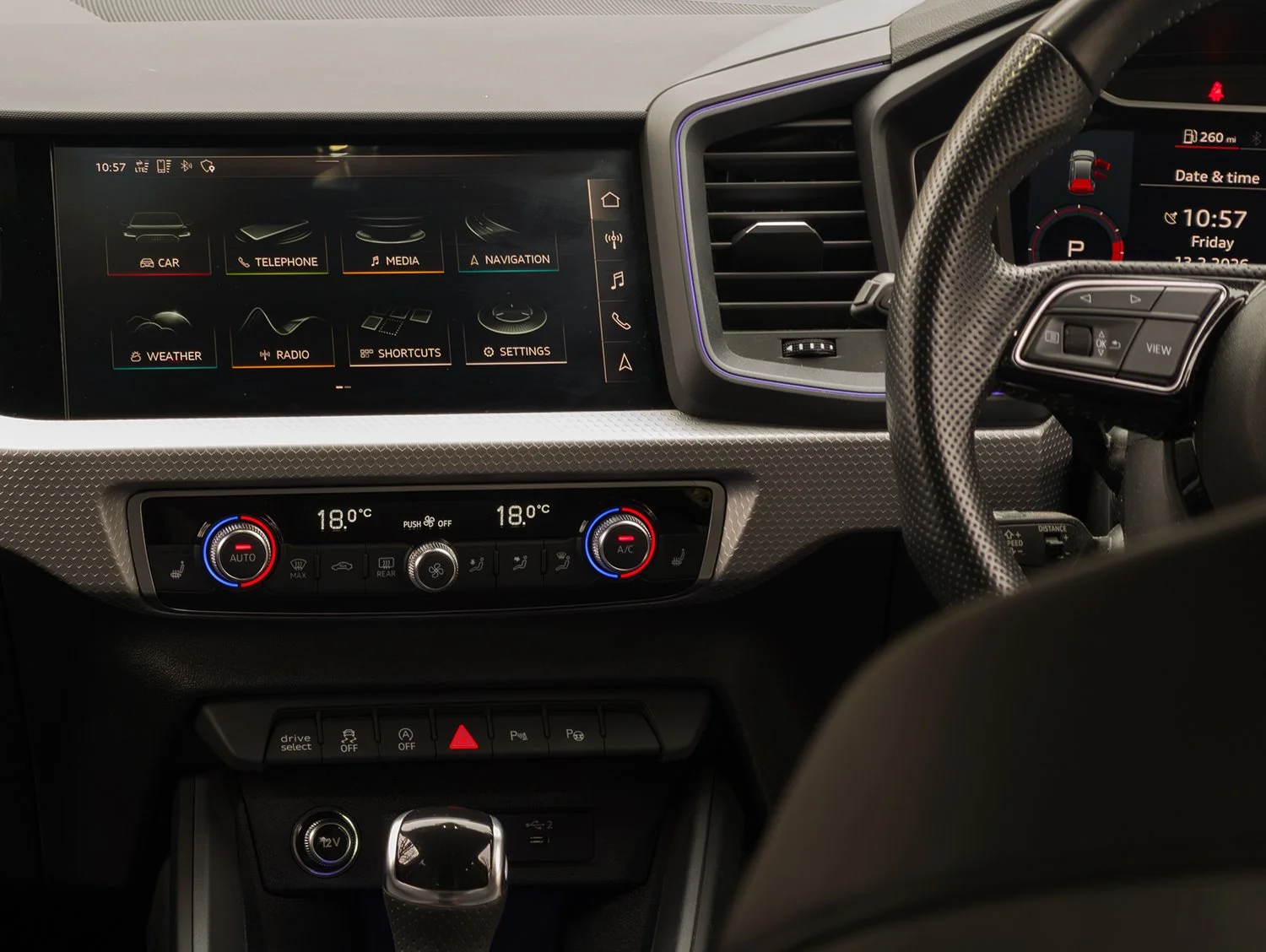
The centre touchscreen is another highlight. Upgraded to 10.1 inches as part of the technology pack, it fits the dashboard beautifully and feels properly integrated rather than tacked on. Performance is excellent. The system is responsive, fluid, and free from the lag that plagues so many infotainment setups. The digital driver’s display complements it perfectly, offering multiple layouts including a full-screen navigation view, which I used for the first three years.
That was until my Audi Connect subscription expired. I received three years free with the car, and once it ended, traffic-aware navigation and live updates disappeared unless I paid a monthly fee. I understand the logic of the subscription model, but rather than pay up, I finally embraced Android Auto.
I was embarrassingly late to Android Auto and Apple CarPlay, but once I made the switch, there was no going back. Apple CarPlay connects wirelessly, while Android Auto requires a cable, which is mildly irritating. Thankfully, Audi included both USB-A and USB-C ports, positioned just above a rubberised wireless charging mat. Once connected, Android Auto became my default for navigation and audio, and I can’t see myself going back to manufacturer software any time soon.
One downside of this switch is that the driver display will only show Audi’s own navigation, not Android Auto maps. There are hacks to change this, but I’ve resisted the temptation. Everything works flawlessly and I’m not willing to risk breaking that for the sake of a novelty.
Help that stays in its lane
Elsewhere, Audi has been sensible. Climate controls are physical, well-made, and satisfying to use. Dual-zone climate control feels slightly unnecessary in such a small cabin, but it’s there if you want it. Ambient lighting is beautifully executed, offering a wide range of colours without ever feeling tacky. I settled on a subtle purple early on and haven’t touched it since.
Audi’s Pre Sense safety system works well and has intervened more than once before I could react myself. Occasionally it overreacts, usually at junctions, but I’d rather live with that than without it.
Adaptive cruise control is a standout feature. It works from a complete stop and makes motorways a breeze, and heavy traffic far less stressful. I use it constantly. My wife doesn’t trust it at all. That’s a mindset issue rather than a technical one.
Finally, the automatic parking system is genuinely impressive. Slightly surreal, occasionally cowardly, and always entertaining. I use it just often enough to justify its existence. And yes, I tell the car off when it gives up.
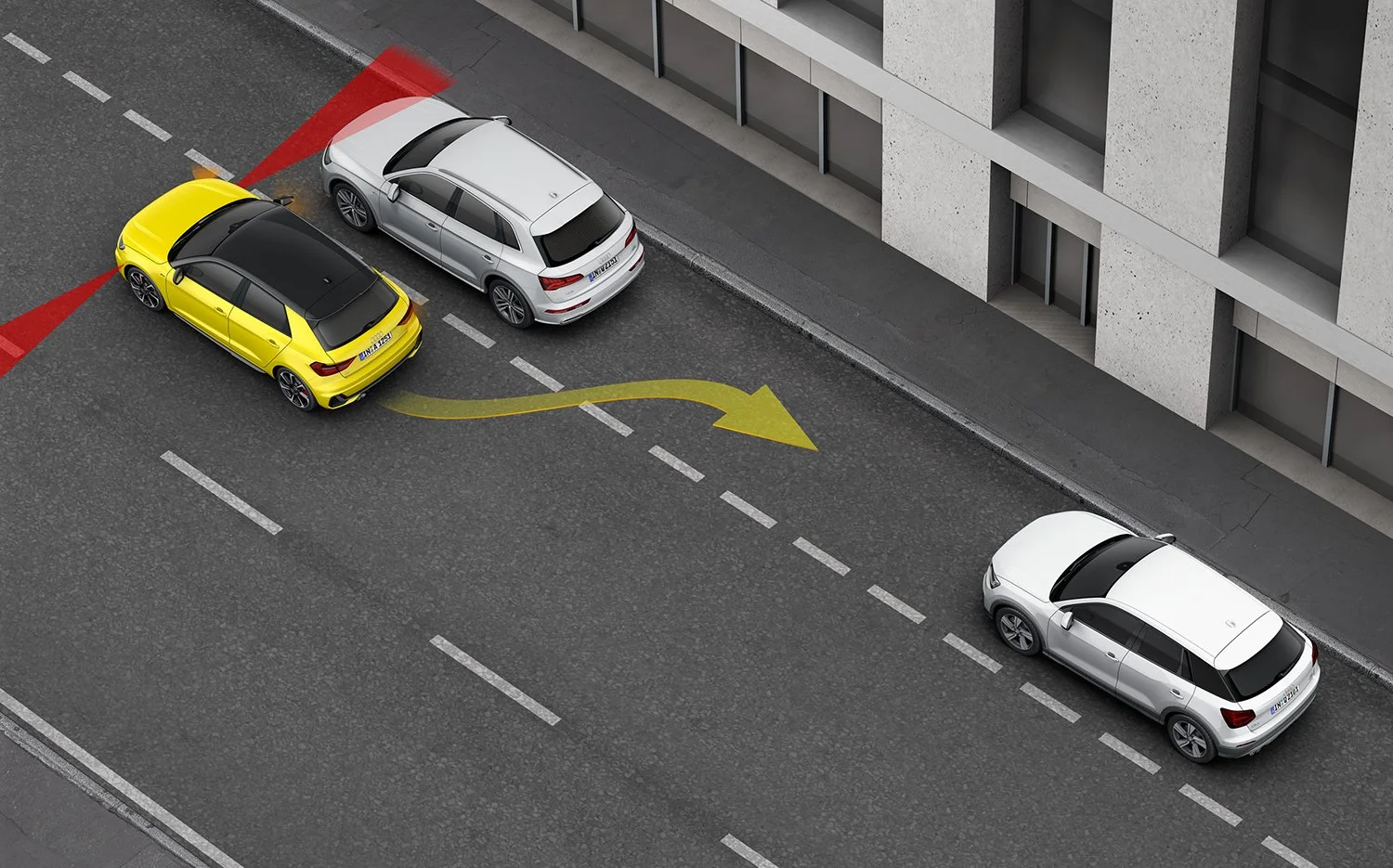
Audi Park Assist courtesy of Audi MediaCenter
Easy to drive, hard to fault
With 150hp on tap and a kerb weight under 1,200kg, the A1 strikes a satisfying balance between performance and restraint. On paper, 0–62mph in 7.7 seconds doesn’t sound particularly dramatic, but in a small, light car it feels more than adequate. This is still an entry-level city car, after all, and on London roads it never feels underpowered or out of its depth.
The 7-speed S tronic gearbox plays a big part in that. It behaves very differently depending on the selected drive mode, all of which are accessed via a physical button rather than buried in a touchscreen menu. In efficiency mode, everything relaxes. Throttle response dulls, steering lightens, and the gearbox prioritises fuel economy above all else. It’s useful in heavy traffic and noticeably improves efficiency, but it’s also deeply uninspiring.
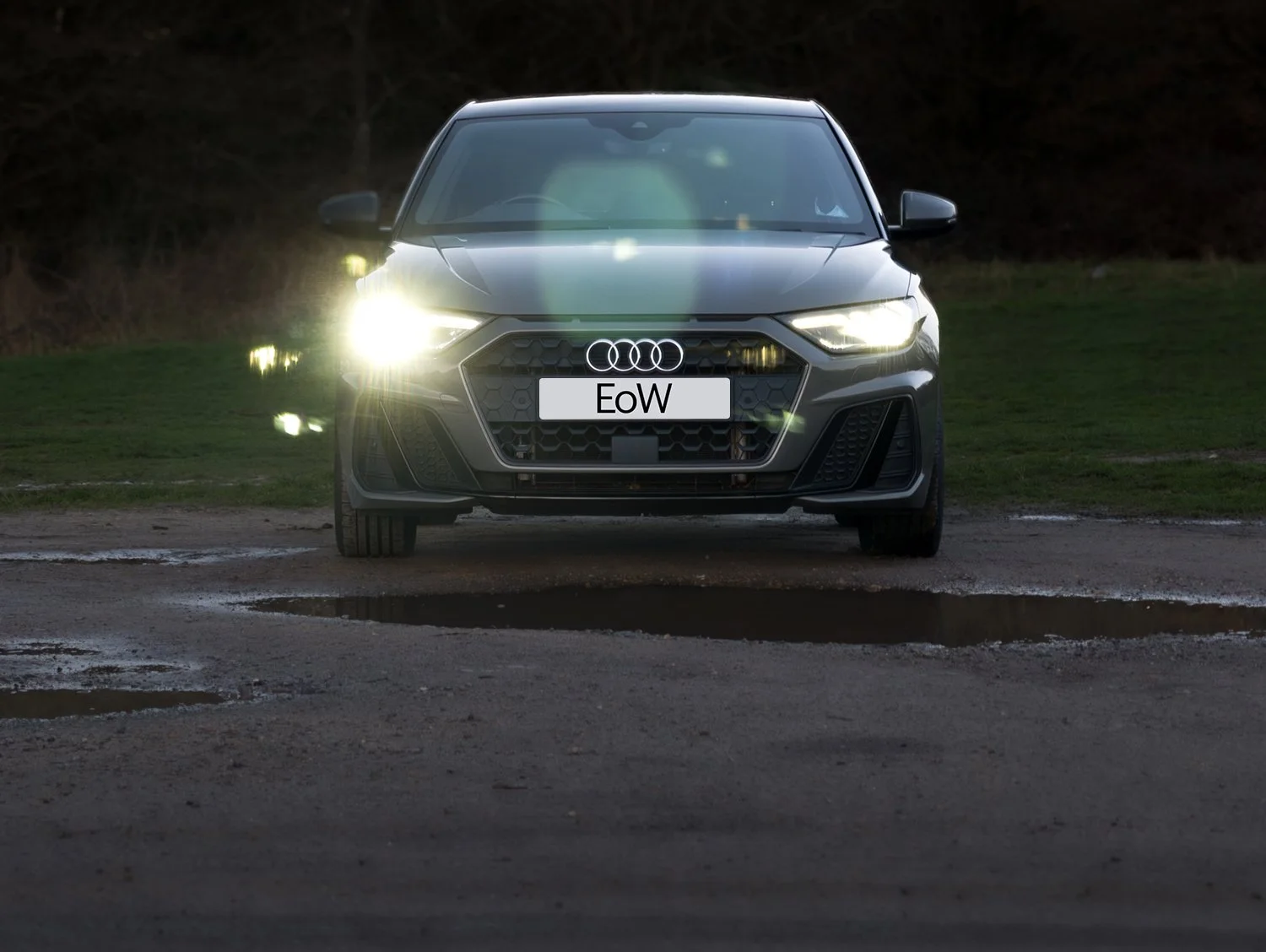
At the other end of the spectrum is dynamic mode. Select it and the car immediately feels more alert. Throttle response sharpens, the gearbox holds onto gears longer, and the engine stop/start system is disabled to avoid missing an opportunity to pull away quickly. Steering weight increases too, giving more confidence and feedback on faster roads. I enjoy this mode, but only when it’s genuinely worth it — a spirited drive around Box Hill on a summer day being a perfect example.
Most of the time, though, I leave the car in auto mode. It’s the best compromise. The car adapts well to different driving styles, kicking down decisively when I need to overtake and calming everything down when I’m just cruising through a 20 zone. It feels intuitive, which is exactly what you want.
There’s also an individual mode, allowing you to customise steering and throttle response, but I’ve never found a real need for it. With limited variables available on the A1, the pre-set modes already cover everything.
Handling is another pleasant surprise. Thanks to the stiffened sports suspension fitted to Vorsprung models, the car feels planted and composed through corners. There’s far less understeer than I’ve experienced in previous front-wheel-drive cars, though the trade-off is a firmer ride, particularly in the back. I’m happy with that compromise. This car is far more enjoyable to drive as a result.
Manual mode exists, either via the gear selector or the steering wheel paddles, and both work well. I don’t use it often, but when I do, it adds a layer of engagement that reminds me why I still enjoy driving.
Living with it day to day
The A1’s compact dimensions inevitably shape how practical it can be, and while I’ve already touched on rear seat space, there’s more to say about how the car works day to day.
The boot is a real strength. At 335 litres with the seats up, it’s more than adequate for everyday use, and with the rear seats folded it expands to 1,090 litres. I’ve used the car in what I call “van mode” more times than I can count, and it’s surprising how much you can load into the back when needed.
The optional luggage pack included with the Vorsprung trim makes a genuine difference. The boot net and tie-down points stop items from sliding around, and I use them constantly. It’s one of those features that quickly becomes non-negotiable once you’ve lived with it. The false boot floor is another highlight, concealing a surprisingly large storage area beneath. Along with the Bang and Olufsen subwoofer and standard toolkit, we’ve managed to fit two pairs of wellington boots, screen wash, shopping bags, dog toys, and even a collapsible tent — all neatly hidden away. That keeps the main boot space clear for day-to-day use. And I can confirm that you can fit a full sized baby stroller in the boot.
Up front, storage is sensible rather than generous. The glovebox is a good size and easily swallows the usual collection of clutter. The door bins are large enough for a water bottle and sunglasses case without feeling oversized.
The optional leatherette-trimmed centre armrest is particularly useful, sliding forward for additional comfort and opening to reveal a decent-sized cubby hole for loose items. It’s another small touch that adds to the feeling that this car has been properly thought through.
While it’s not the most practical car in its class on paper, the A1 makes clever use of the space it has. For my needs, it works far better than its size suggests.
How it’s holding up
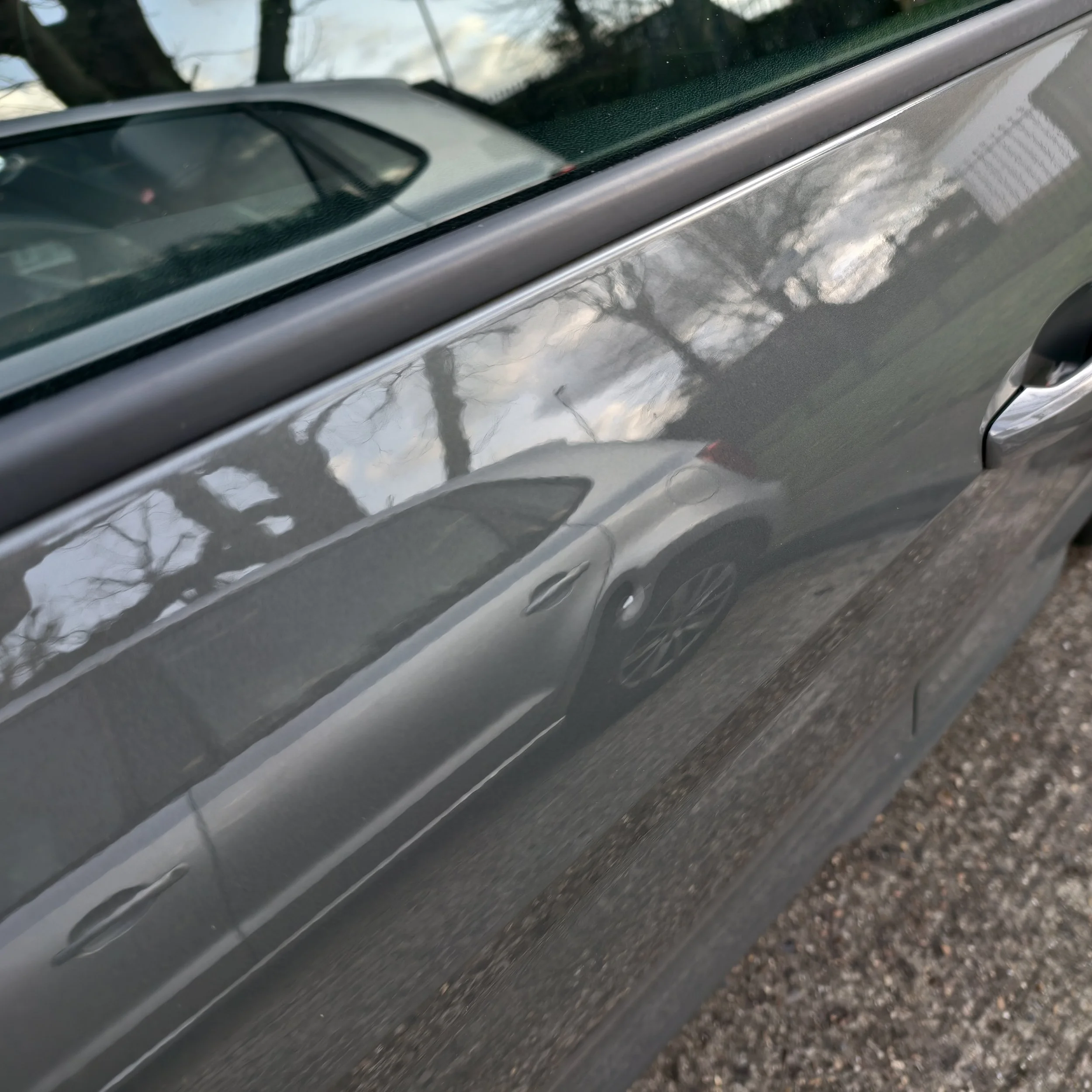
After nearly six years and more than 21,000 miles, the car has held up well, but it hasn’t emerged unscathed. The Chronos Grey paint looks fantastic when clean, but it’s unforgiving. Small chips, scratches, and dents show up easily.
There have been two bits of damage that both occurred while the car was parked: a minor rear corner scrape that only I would ever notice, and a small dent in the front passenger door that irritates me every time I see it. These will be dealt with by a paintless dent removal specialist soon, and I’m planning a before-and-after video when it happens.
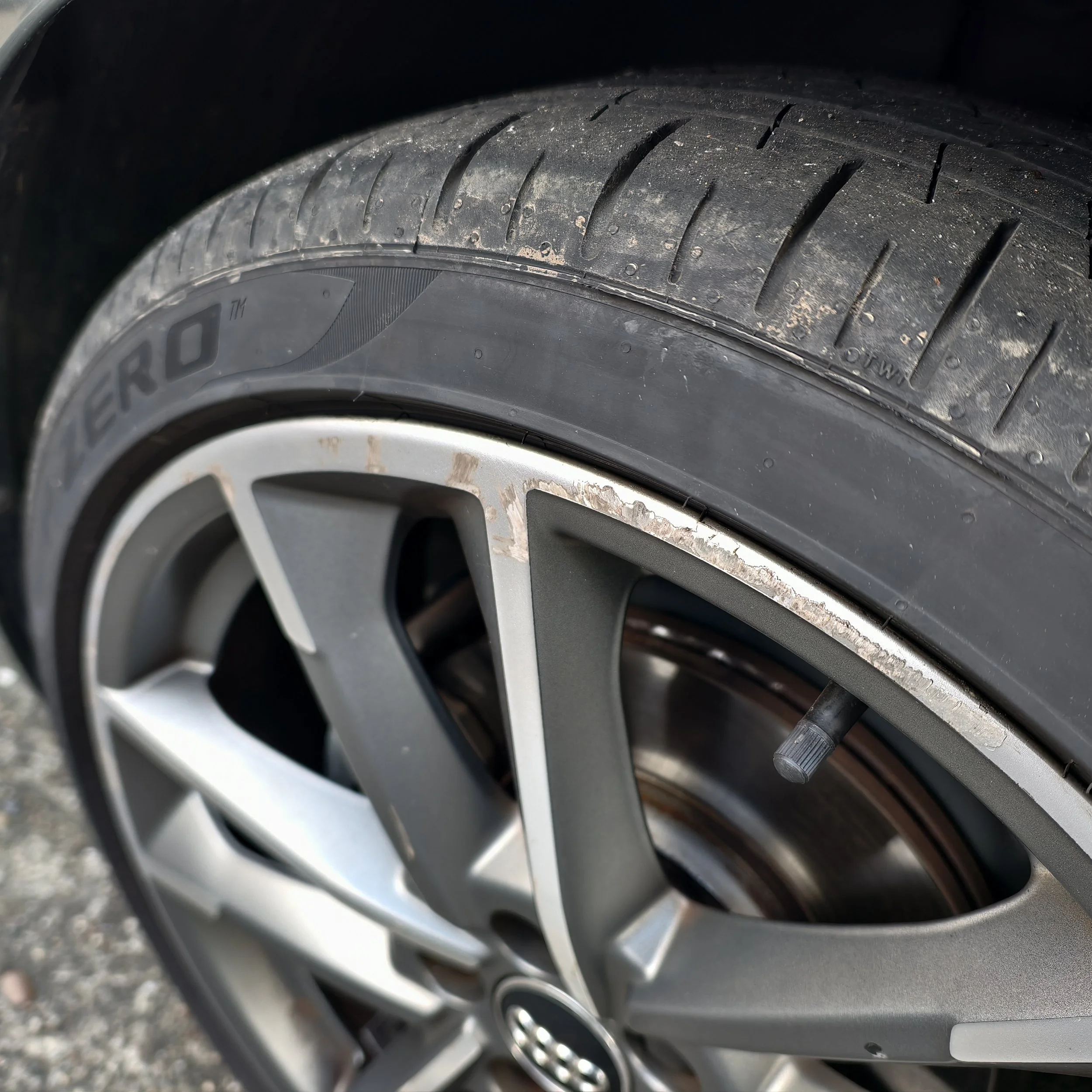
The alloys have also picked up one or two scuffs. I’m careful when parking, but tight London streets and multiple drivers make the occasional pavement scrape almost inevitable. These will also be refurbished at some point.
“Mechanically, the car has been faultless”
Mechanically, the car has been faultless. I’ve serviced it annually at Audi to maintain a full dealer history, which isn’t cheap but gives me peace of mind. Where possible, I’ve saved money elsewhere.
Tyres are a good example. Before its last service, the MOT flagged worn fronts and a nail in one rear tyre, so I replaced all four with Pirelli P Zeros during a Black Friday deal. The difference was noticeable, with improved grip and confidence, especially in wet conditions.
The next likely expense will be brake pads, either at the next MOT or service. Nothing unexpected. Just normal, careful ownership.
Still feels like the right car
Nearly six years on, the Audi A1 still does what I need it to do without fuss, integrates seamlessly into life in London, and still manages to feel special enough that I enjoy getting into it. That balance isn’t easy to strike.
This isn’t a perfect car. The rear space is tight, the ride can be firm, and the cost of entry is hard for some to justify on paper. But ownership isn’t lived on paper. It’s lived in traffic, on school runs, during late-night drives home, and on the odd escape out of the city. In those moments, this A1 makes sense in a way that spec sheets and comparison tables can’t always capture.
What’s surprised me most is how well it has aged. It still feels modern, still feels well built, and still delivers the small luxuries that made me choose it in the first place. I don’t feel the urge to replace it, and in a world where cars are increasingly disposable thanks to the overuse of PCP finance, that says a lot.